The Benefits of Red Light Therapy for Dogs and Other Pets
Photobiomodulation (PBM), commonly known as red light therapy for dogs, offers a wide range of wellness benefits for canines and other companion pets. As a non-invasive therapeutic approach, it effectively supports pet health in multiple key areas: aiding recovery after intense physical activity, relieving stiffness and muscle soreness in active pets and horses, and enhancing overall physical comfort and mental well-being.
Pet owners may notice their dogs becoming lethargic, fatigued, or lacking usual vitality. When these signs appear, additional gentle supportive care can make a significant difference. Numerous studies have proven that red light therapy serves as a highly effective adjunct to traditional veterinary treatments, providing pet owners with a safe, reliable alternative for daily pet care.
If you are curious about how red light therapy benefits your canine companion or searching for a science-backed, non-invasive treatment option for your dog, this guide covers all the essential information you need. We will explore the following key topics in detail:
-
What exactly is canine red light therapy?
-
The potential benefits of red light therapy for dogs
-
Most common reasons pet owners choose red light therapy
-
Expected outcomes of red light therapy sessions
-
Safety guidelines for red light therapy in dogs
-
When to seek comprehensive professional veterinary care
-
How to select the right red light therapy device for your pet
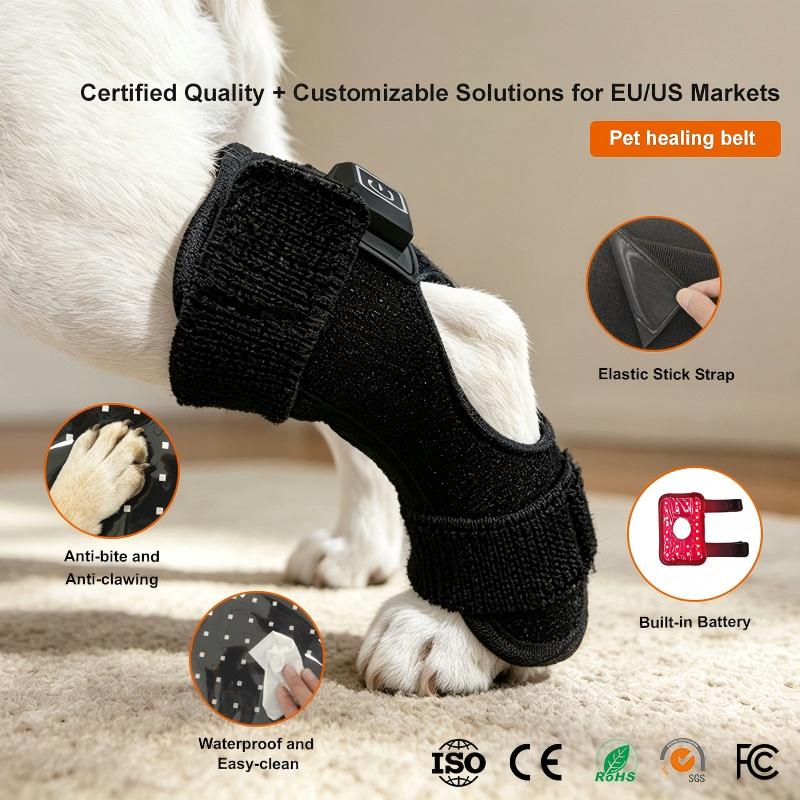
What Is Canine Red Light Therapy?
Red light therapy, also referred to as photobiomodulation (PBM) or low-level laser therapy, is a non-invasive treatment modality. It utilizes specific wavelengths of red and near-infrared light to stimulate and support the body’s natural healing and regenerative processes.
In simple terms, red light therapy pads deliver targeted light energy to activate cellular activity beneath the pet’s skin. Unlike medication-dependent treatments, this complementary therapy features mild, drug-free care, making it ideal for pet owners who prefer gentle wellness solutions. Visible improvements can be observed with just 10 to 15 minutes of daily treatment.
Not limited to dogs, red light therapy is widely applicable to multiple animal species, including horses and cats. The universal effectiveness stems from the highly similar biological healing mechanisms across different animals.
How Does Red Light Therapy Work for Dogs?
At-home red light therapy for dogs follows a simple, user-friendly four-step process:
-
Create a calm, comfortable environment for your pet, preferably a quiet space at home where your dog can relax fully.
-
Place the red light therapy pad on the target area, such as the dog’s back, shoulders, neck, or sore body parts.
-
Secure the pad with attached straps if needed to keep it stable during the session.
-
Administer 15 to 20 minutes of targeted therapy for each treatment area.
Sessions can be flexible according to your pet’s condition. Some pets prefer shorter sessions, while others tolerate longer treatment times. There is no need for concern if your dog wishes to end the session early or rest longer during the process.
The core mechanism of red light therapy relies on specific wavelengths within the red and near-infrared light spectrum. These precise wavelengths stimulate mitochondrial activity in cells, effectively boosting cellular energy production.
Elevated cellular energy enhances the cells’ self-repair capacity, which in turn reduces inflammation and strengthens the pet’s immune function. The in-depth physiological process under the skin is as follows:
-
Light energy penetrates the skin and reaches damaged or sore tissues.
-
Cells absorb the light energy and increase the production of Adenosine Triphosphate (ATP), the primary energy molecule that powers all biological functions.
-
Blood circulation is optimized, delivering more oxygen and nutrients to soft tissues.
-
Collagen synthesis is stimulated to accelerate tissue repair and regeneration.
-
Local inflammation is reduced, alleviating pain and physical stiffness.
As a beneficial complement to standard veterinary treatment plans, red light therapy delivers multiple physical and wellness benefits for dogs, which we break down in detail below.
Key Benefits of Red Light Therapy for Canine Comfort and Mobility
Building on its working mechanism, red light therapy provides targeted support for pets’ physical health, mainly covering post-exercise and post-injury recovery, stiffness and soreness relief, and overall wellness improvement.
Post-Exercise and Post-Injury Recovery Support
Active dogs such as energetic Border Collie mixes and working performance horses experience physical fatigue and tissue strain after intense exercise, just like humans. Red light therapy accelerates their recovery process through multiple pathways:
-
Speeds up physical recovery after strenuous exercise and daily activities
-
Supports the repair and regeneration of soft tissues
-
Reduces inflammation caused by overworked muscles
-
Boosts blood circulation in fatigued body areas
For dogs recovering from minor injuries or surgical procedures, the gentle, soothing effect of red light therapy effectively shortens the overall rehabilitation period and promotes faster healing.
Stiffness and Muscle Soreness Relief
Joint issues including arthritis, hip dysplasia, and age-related joint stiffness are the most common reasons pet owners adopt red light therapy. By mitigating inflammation and improving blood circulation, this therapy delivers the following benefits:
-
Effectively manages joint pain in dogs with arthritic conditions
-
Enhances comfort and mobility in senior pets with declining joint function
-
Improves flexibility in stiff and sore body regions
-
Relieves uncomfortable symptoms without relying on prescription medications
It is an especially ideal wellness solution for senior dogs that need extra support to maintain optimal physical condition and quality of life.
Overall Health and Wellness Enhancement
Beyond targeted muscle and tissue support, red light therapy promotes systemic health and holistic well-being for pets:
-
Sustains healthy cellular metabolism and physiological function
-
Stimulates collagen production to maintain skin and soft tissue health
-
Facilitates wound healing and improves various common skin conditions
-
Provides a safe, mild, and drug-free healing method for long-term daily care
It is important to note that red light therapy does not serve as a cure for pet diseases. However, it acts as a powerful auxiliary tool for holistic canine health management, perfectly complementing regular veterinary care.
Common Reasons Pet Owners Use Red Light Therapy
More pet owners prefer red light therapy over traditional medication-based treatments for their pets due to its safety, gentleness, and long-term effectiveness. The most common applications include:
-
Alleviating discomfort for dogs suffering from arthritis and chronic joint soreness
-
Managing persistent inflammation caused by chronic health conditions
-
Assisting rehabilitation after soft tissue injuries and surgical recovery
-
Improving superficial skin problems and accelerating wound healing
-
Providing soothing comfort for dogs with intervertebral disc disease
-
Supporting athletic performance and rapid recovery for active and working dogs and horses
Widely favored by owners of dogs, cats, and horses, consistent red light therapy effectively relieves short-term discomfort and long-term chronic inflammatory conditions. It delivers deep, lasting healing effects and significantly improves pets’ daily comfort and physical vitality.


